Introduction to M&A Process - Felix Live

- 34:12
A Felix Live webinar on intro to M&A process.
Downloads
 MA Process Summary

Transcript
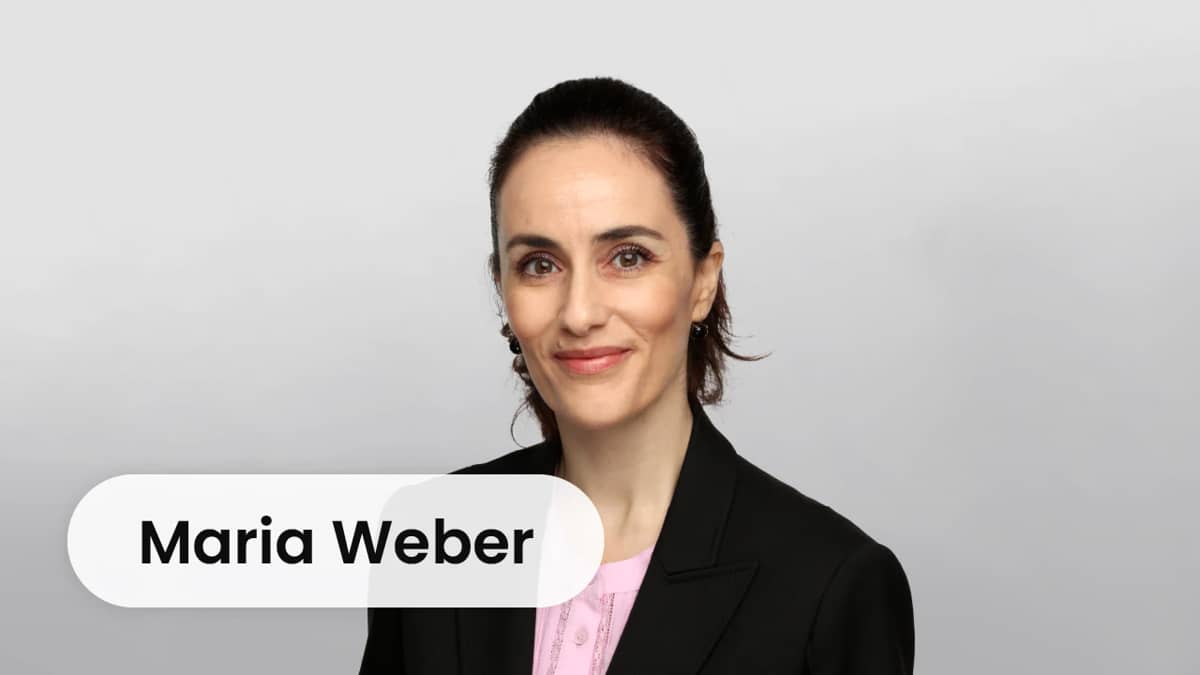
My name is Maria Weber, and I'm one of the trainers at Financial Edge, and I'm going to be doing today's session on introduction to the M&A process.
Now, you will see that there's quite a lot of detail on these slides.
I'm definitely not going to go through every single word on the slides.
We've got a short session today, so only 30 minutes, and we're going to go through big picture M&A process. However, before we get there, we've got to set the scene, right? If you want to run a good M&A process or understand your role as a banker in the process, you need to understand the context.
And so that's why we're going to start with talking about the different M&A players and the strategy. So what does buy side want? What does sell side want from a deal? Then we'll look at different sell side options, and then we'll run through the process. And then finally, we'll talk about the main documents that you would come across in an M&A deal.
Okay, so those are the things that we're going to be doing.
And again, if you've just joined, welcome.
I've put a link to the slides in the chat.
Please do ask questions as we go, either in the main pod or in the Q&A pod.
So let's start talking, setting the scene about the different M&A players. By this we mean, okay, who are the potential buyers? So if a business is up for sale, what are the kind of options in terms of buyer interest? First one on the left-hand side we see are strategic buyers. So strategic buyer, think of it as an operating company buying another company. They're in it for the long term.
They're looking for things like synergies, which we'll talk about in a minute. And a recent deal that is on my mind because it was in the news again, I think this week or last week, is the Paramount Skydance Warner Bros. deal.
That would be an example of a strategic deal.
Right now, there's quite a bit we can say about each of these things, but the points I want to mention here is we're obviously thinking about the price that we can achieve, okay, when a business is being sold. And if you have a strategic buyer, they're often able to pay more because of the synergies.
Now, there's analysis that they would do.
I mean, in every deal where control of the business is being sold, so typically more than a 50% stake, there will be a control premium.
But if we think about a strategic buyer, one of the analyses that we would do is think about, well, how does that control premium compare to the synergies? And the more synergies there are, the higher the price that could potentially be paid. Now, there's different reasons strategy-wise. We'll talk through some of those on the later slides about why a strategic buyer would want to do a deal.
And then, guys, there's lots of detail, right? So things like tax considerations, funding issues. Is this going to be a stock deal or an asset deal? That's not the purpose of today's class.
But if you are interested you will see the Felix Lives that we have coming up. So next week is three variable data tables.
But after that, M&A fundamentals, that goes through the analysis of, say, EPS accretion dilution, and then M&A considerations. If you sign up for that one, that's where we talk about things like tax considerations, asset deals, stock deals, et cetera.
Okay, so those sessions are coming up.
Now, something else to mention here with strategic buyers, I mean, in any process especially if you're a banker, confidentiality is always important.
But if we think strategically, a lot of these companies would be the competitor of the business that's being bought or sold, or a competitor.
And so we do need to think about information that we're disseminating, limiting the amount of buyers we send that information out to, and that will come through in our next couple of slides.
So strategic buyers, one potential group.
Next group we've got are financial buyers.
So financial buyers, think of this as a pot of money.
It's a fund buying a business, right? So typically, think of your private equity.
Now, they look for different things in a deal, and I know you get lots of different types of funds. But if we're thinking about something like a leveraged buyout, they use a lot of debt, and so not all companies are going to be attractive. So typically, companies that have high, predictable, stable cash flows are good targets.
We also have to think about the objective of a financial buyer. You might hear it referred to as a sponsor.
They aren't in it to hold the company forever.
Strategically, they want to sell. They want an exit.
So they're looking to sell the business within, say, I don't know, three to five years, depends on the deal. But they're looking for an exit, and they want to improve the value of the company.
And so things like having a strong management team in place are super important. We've already mentioned synergy with a strategic deal.
If this is a fund buying a company, there's going to be no synergy unless, of course, it's being bolted onto an existing company the fund already owns, okay? Then that would be more like a strategic deal.
Again, we've got considerations around taxes, financing, et cetera. But because these deals are often funded with a lot of debt, they are dependent on conditions in the credit markets.
I mean, generally speaking, financial conditions do impact M&A, but particularly with financial buyers, we're looking at credit market conditions if it's an LBO. And then we have other buyers like wealth funds. So an example that comes to mind is the Saudi Public Investment Fund. I don't know if you saw last year, I think it was, they've announced they're part of a consortium buying Electronic Arts.
So wealth funds, they've got different objectives.
So they're managing the wealth of the country.
They've got certain objectives in terms of diversifying, in terms of industries they focus on, but they are also potential buyers.
Okay, so starting point, this is the buyer universe that we can think of. If we then move on and say, okay, well, there's always going to be a buyer and there's always going to be a seller.
Let's now think about the strategic buyers a bit more and think about specifically what they would be looking for in an M&A deal and the reason for doing the deal so we can understand the buyer universe. Right? Now, if we think about strategy- We could be looking for a vertical integration. So vertical integration is where you buy a supplier or a customer.
Something that came up while I was thinking about this is Alphabet, so Google parent company.
They announced a deal. You can see this article's from December, or the press release is from December. They have agreed to buy a company called Intersect, and Intersect is a provider of data center and energy infrastructure solutions.
So you can see, I'm not going to obviously read the entire article to you, but you can have a look at it. It's on Alphabet's investor relations page.
But it says here that they are looking to unlock abundant, reliable, affordable energy supply. Right? So this is an example of vertical integration because they need this for data centers, et cetera. So that would be an example of vertical integration.
If we think of horizontal integration, that's where we are doing kind of the same thing. So that's the Paramount-Skydance-Warner Brothers deal that we've got to be careful about competition.
Guys, when you're an M&A advisor, you can't just think about, "Oh, I need to get the highest price for my client." You've got to think about the reality of the deal actually closing, and there's certain approvals that need to be obtained, one of which is competition approval, right from the competition authorities, so CMA in the UK or the FTC, DOJ in the US. And why I was thinking of Paramount-Skydance is, I don't know if you saw the article, can't remember, earlier this week, about some states in the US are trying to block the deal.
And they said it would extinguish competition, inflict substantial harm.
Okay, so you do have to think about that in a horizontal deal.
Then synergies we've spoken about and that Paramount-Skydance deal, I think they mentioned a synergy number of $6 billion.
Okay, so whether that comes through remains to be seen.
Then the buyer could also want to do this to enter new geographic markets.
So an example that was actually announced yesterday, I think, Uber buying Delivery Hero. And if you look into this deal a bit more, this is an example where Uber and Delivery Hero, so this would be like a horizontal merger or acquisition because they do the same thing when it comes to food delivery, and they're actually going to sell off part of the Delivery Hero business before it's bought by Uber, right? And that is because of competition concerns where there is overlap in the markets.
But then they said this deal is going to be really good to accelerate growth for Uber in other markets. Okay? And again, not going to read the entire article, but you can see where that would come in. And then threat of substitution or technological disruption. So old example, but think about, say, Facebook buying Instagram or maybe like Pepsi buying Poppi, the gut healthy drink company.
So that's not, I mean, it's not going to get rid of Pepsi completely, but I mean, that is a threat, right? More healthy drinks. And then finally accelerating expansion.
It's often quicker to buy than build something, especially where technology's involved or where there's patents and research, et cetera.
So that helps us understand which companies would be good strategic buyers for this business that we are trying to sell. It's not just about strategy.
Of course, the financials have to make sense, so it's got to be financially viable. And this is what's going to be talked about more in the upcoming session on M&A fundamentals. Things like earnings per share accretion, things like return on invested capital relative to the WACC. Things like how's this going to be financed and the impact it could have on the credit rating of the acquirer.
And then we've already mentioned looking at the control premium that's paid versus the present value of the synergies.
Okay, so that's the financial analysis that would go into it.
Okay, so we have talked about the buy-side strategy.
Let's talk about the sell side. So from a sell-side perspective, we've got to think, okay, well, why might a company want to sell? Okay? Now, for a corporate, it could be that it's just the business that they're selling is not core to their strategy, right? Or they want to target higher growth areas.
This is a low growth area of the business.
A great example of that recently is Unilever.
So Unilever, they have been selling off their food business effectively. They spun off their ice cream division last year, I think it was, or earlier this year. Can't remember. I don't know.
Time at this point just seems to blend all into one.
I can't believe it's already July.
But anyway, so they sold off, they spun off the ice cream business, and then it was announced, those of you in the UK, or even if you're not in the UK, Marmite, okay, either love it or hate it, but Unilever owns Marmite as part of their food division, and they have agreed to sell that food division, or they're in talks to sell it to McCormick, a US company. And that's part of their strategy.
They want to focus on foster-growing beauty, personal care brands, et cetera.
Okay, so that would be an example of it just not fitting your strategy anymore.
There could be forced disposals because of competition issues.
Like I mentioned, say with Uber. Then it could be a bit distressed. They need to raise cash in order to pay down some debt.
Private equity funds, it's all about the exit, right? It's about thinking, when can we sell this business? At what value can we sell the business? So looking to exit. They need to exit to realize the returns. Yes, they might pay, say, dividends, do a dividend recap, but the main return comes from the exit. And then families or individuals, it could be for continuity reasons. I mean, if you want to retire and you don't have anyone to pass the business onto, you want to sell it.
And then governments privatizing businesses, raising cash.
Now if we think about, okay, what does a seller want out of the process? If I'm advising the seller, what do I have to be conscious of? Well, obviously They want to get the best price, right? But it's not just about the price, like I've mentioned. They want to make sure that the deal will actually close, that the deal will be executed.
So I've got to think about things like getting the necessary regulatory approvals, hurdles from the competition authorities.
I've got to think about can the potential buyers actually finance the deal, right? Do they have the financing lined up, or are they able to raise the financing? Then we want to try to get the deal done as quickly as possible, because M&A is quite disruptive to the ongoing operations of a business, right? You're still trying to run your company day-to-day, doing what you do, but at the same time, you've got people wanting information, due diligence requests, management presentations, site visits.
So you do want to try and make the process as quick and easy as possible. Minimizing dissemination of confidential information. That's what I mentioned earlier, right? You are going to have to give out some confidential information, because otherwise, how are people going to know if they want to buy your business or not? But a lot of the time, it's your competitors that are bidding for the company, and if it falls through, you don't want your information out there with every single company.
So you've got to be a bit selective in terms of narrowing down the number of parties that the confidential information is given to.
We've talked about disruption to management and operations.
And then, guys, here, you're going to have lawyers involved heavily, okay, in all the agreements. But something the sellers would want to be thinking about is they want to minimize their liability for things that happen after the sale. So things like indemnities being built into contracts, et cetera. And the sellers sometimes maintain a minority stake in the business, and then obviously they're incentivized for this to go well after the sale because they then still invested a bit.
Okay. We are now on to talking about the different options, right? So when a business wants to put itself up for sale, what routes can it go down? So we've got pros and cons, as you can see on the slide, of the different methods. If we start with single-party negotiation. So I want to sell my business.
I come to an investment bank, and they say, "Okay, we're just going to go to this one party. We think they are going to be an excellent buyer." That's great in terms of minimizing confidential information being disseminated. It's not very disruptive because you're just dealing with one party and requests from one side.
It can be shorter, it can be more flexible.
But guys, you're going to one party only.
There's no competitive tension. You don't know if someone else might bid higher, okay? And there could be other potential good buyers out there. So single-party negotiation on the one side, okay? Full auction on the other side, where it's a very broad base of buyers that you go out to.
And obviously, this has got the opposite pros and cons, right? So from a competitive tension point of view, theoretically, it should maximize the value, but there it's going to be more people having your information, more disruption, more requests for information, et cetera.
And then a limited auction falls somewhere in between where you go out to a group of high-probability candidates. Okay.
And then we've included on the slide an IPO.
But guys, an IPO is not M&A. IPO is not a transaction where control of the business is being sold to one party, right? In an IPO, yes, the business is being sold. But first of all, very often, it's not the whole business that is sold, right? So normally it's a minority stake that's sold, okay, but definitely less than 100%.
Secondly of all, you're not selling it to just one party, you're selling it to lots of little individual buyers, right? So the price you're going to get, there's not going to be a control premium, and there's also going to be a discount because IPOs price at a discount, okay? So that is a route to go down, okay, and obviously it depends what the objectives of the company are, but we've just included that here for information purposes.
Okay. Hopefully everyone is okay. I know this is a whirlwind of information.
Like I've said, you've got the slides.
I'm just copying the link one more time because it's great to see more people have joined after we got started. So there's a link to the slides in the chat.
If there are any questions or anything, please pop them in the chat or the Q&A pod.
So now if we think, okay, we think we understand the buyer universe, what buyers want, what sellers want, the different routes to doing a sale.
Now let's actually think about the process itself.
Now, obviously, every transaction is going to be a bit different.
No two transactions are exactly the same.
The timelines are going to differ depending on how complex the deal is, et cetera. So this is just indicative, high level, big picture. Okay, and I see someone's asked a question on an IPO. If you don't mind, I'll come back to that at the end.
Please just remind me in case I forget, but I will come back to that question. So with a process, typically, you've got to start by preparing the company, right? So you've got to get the company ready to be sold.
Imagine you're selling your house, you're going to want to fix up your house a little bit, right? So you're going to have to have a kickoff meeting with management, work with them. You might have to do some legal tax restructuring in the background.
So for example, if not the entire company is being sold, but only a division is being sold, you have to start separating that division, right? You also have to make sure there's a good business plan.
Because you're going to have to sell this to prospective buyers, so working with management on the business plan.
Then you're going to start gathering information for the data room.
Now, the data room, that these days is not a physical room where the documents are stored. It will be online.
But that's where things, when people do the due diligence, and we'll talk about due diligence in a moment.
When due diligence is done, people need access, or the buyers need access to contracts, right? Employee contracts, customer contracts, detailed information, tax information.
So loads of detailed information, financials, all of that gets stored in the data room that people then would get access to when they do due diligence. Then you're going to prepare the teaser and the info memo. The teaser is like a movie trailer, right? It's just to send out something to assess whether people would be interested in this opportunity. It's normally one or two pages. It doesn't have the company name on it, but it will say, "This business in this industry is being sold." A bit about what they do, high-level financial numbers. So say historic revenue, EBITDA, okay? A bit about, say, growth prospects for the business, and then what the investment opportunity is. Right? So it's just a teaser.
It's just to test if people are interested. So you would work on preparing that.
So say, I don't know, one or two-page document.
Then the info memo comes after. People will only get access to the info memo after the teaser, and the info memo is much more detailed, right? So the info memo would have stuff on the history of the company, the management team, the market positioning, customer information. It would have information on detailed historic financial information, future projections, growth plans for the business, strategy.
So that's the detailed info memo, and you will work with the company on preparing that information memorandum.
Then, as bankers, you identify potential buyers, right? So that's what we were talking about earlier, understanding that buyer universe and also what sellers want.
Then we go out to buyers, right? So this would normally be your senior bankers, MDs, okay, seniors going out to the buyer universe, approaching them, and sending them the teaser saying, "Right. This is what we're selling. Here's the teaser.
Let us know if you're interested." Okay? So they'll sound out, see who's interested.
Then if people are interested and they want the info memo, they have to-- And the info memo is sometimes called the CIM.
If you hear people talk about the CIM, confidential information memorandum. If they want the CIM, they've got to sign a confidentiality agreement, a non-disclosure agreement, so they can then get that more confidential information.
So they'll get then an info pack. Part of that pack will also include a process letter. And the process letter, you can think of it almost as telling people about the admin. Like, okay, you need to submit your indicative bid by this time in this format. You need to include this and that information.
So that's just setting out the process.
Then those buyers that are interested will submit their indicative bids. Now, another word for indicative is non-binding. Now, the reason these bids are non-binding is because they are subject to due diligence. Right? So having access to the data room and then seeing even more confidential information. Right? So this is where the bankers have to really think about who the serious buyers are. You don't just want to be sending out all this confidential information or giving people access to it.
It's like going to an open house on a Sunday because it's lovely to look at all these fabulous houses. But you know you're never going to buy it, okay? You don't want people poking around in your company, okay, and they're actually not serious buyers, and there's not a good chance of the deal completing, right? So you narrow it down. So we said here, say, select two to three buyers. Obviously, it depends on the situation.
But then they will have access to the data room.
They'll have management presentations. They'll visit the site.
They'll request information, et cetera.
At this stage, you would also, even though there's not one final buyer yet, you would normally send a draft SPA, sale and purchase agreement.
Basically, think of that as the big agreement, the merger document, offer document, whatever you want to call it.
That's a very long, detailed document.
The reason you start sending out a draft is so that people can start identifying if there's going to be issues.
Are there going to be sticking points? Start getting the lawyers negotiating those points. Okay? And then once the bidders have had a chance to do all the detailed due diligence and ask their questions, meet management, they then submit their final round firm bid, a final offer.
And then it's up to the company to work with the bankers to pick which we think the best offer is.
There's some negotiation, maybe trying to get a better price.
And then you're going to sign the documents. Okay? That's when the deal gets announced, usually on signing of the documents. But that doesn't mean that the deal has actually been executed.
Okay? It doesn't mean the keys to the house have actually been handed over.
There's still things that have to happen.
So yes, there's an agreement in place.
But then you need to get your clearances like antitrust, other closing conditions like shareholders having to vote on the deal, and then the deal will close, payment is done, et cetera.
Okay, so that is high-level process.
Final slide I'm going to talk about is the main documents, and we've actually already talked about a lot of these documents.
We're thinking from more of a banker perspective.
There are other documents here, but what are you going to come across as a banker? So first of all, the engagement letter.
Just because your bank has worked with this company in the past doesn't mean that you're automatically going to be the banker on the M&A deal. So you might have done an IPO for the company, but that doesn't mean that now forever, you're going to be involved in doing all the deals.
Obviously, it's important, though, if you do a good job, you have a good relationship, et cetera. It's likely that if you have a past relationship, you will get the business, but you do need to be engaged on this assignment. Confidentiality agreements we've spoken about.
Teasers and info memo we've spoken about.
A working group list, especially as a junior, this is something that you would need to compile and control. Who is actually working on this deal? And that's not just within your bank, it's the other banks.
So often there's two advisors on a deal on one side.
Then on the other side, the buyer or the seller, depending where you're working, there'll be advisors there. Then there's lawyers for both parties, okay? Tax experts, et cetera.
So keeping that list of who's working on the deal, contact details, et cetera.
Then the process letter we've already spoken about. Okay? Bid letters we've spoken about, so submitting that indicative bid and then the final bid in the second round. Due diligence request lists. So if there's something that's not in the data room that a company wants to see, they can ask for it. Doesn't necessarily mean they'll be given whatever they want. Okay? But they can put through due diligence requests. Management presentations we've spoken about.
A letter of intent, that's sometimes called heads of terms.
That's because the main merger agreement can take time to negotiate, right? That SPA that we spoke about. So sometimes, not always, you might sign an interim agreement that just sets out the main terms and conditions that have been agreed, and then the finer points can be dealt with later.
And then sale and purchase agreements or offer document, and then SEC filings.
Fairness opinion we haven't spoken about yet.
A fairness opinion is typically obtained by the board of directors of the company being sold. Right? So directors have a fiduciary duty to the shareholders, and if you approached or if you're putting the business up for sale and you've got these offers, you want to make sure that those offers are actually fair, that it's not undervaluing the company. And so bankers would prepare a fairness opinion. And this is a big deal because bankers can be on the hook if they did a sloppy job. Okay? If their work doesn't stand up to scrutiny, they could be sued if it turns out that this actually was a bad deal. So internally within the bank, before issuing a fairness opinion, there would be a fairness committee, a valuation committee, where senior bankers, you actually go and present the work that went into producing this opinion, and then they would approve it and say, "Yes, we can give that opinion." Okay, so that's a fairness opinion.
And then finally, the media announcements.
When the deal is agreed, signed, that then is your press release being announced in the media. And then I'm not going to talk through this slide here. Just to be aware, though, that when a public company is involved, there are other rules you've got to think about.
So in the UK, we have the Takeover Panel rules, and there's rules around disclosing your shareholdings, having to make mandatory offers, treating all shareholders the same, deadlines for submitting information, and bid letters, and all the rest of it.
So that is something I'm not going to go into the detail of, but just being aware.
There's no direct equivalent to the Takeover Panel in the US, okay, but there are other bodies where there are certain requirements where it's a public company.
Now, I know we are bang on half an hour, but if you can just stick with me for another couple of minutes, I just want to show you something really interesting, I think, at least. If you are new to M&A, even if you're not new, maybe you've never looked at this in detail before, and that is having a look at the actual proxy document. So for public companies, right, they release this proxy document, and we've got one here. Well, not we, I mean, this is public information. I'm just accessing it via Felix.
But if I go to Warner Bros.
and I go down to the proxies, you can see there in March, there's a definitive proxy relating to M&A.
So this is for the shareholders of Warner Bros., and it sets out all the details on the deal. And so I'll actually put this link in the chat quickly.
So you can access this directly in Felix, but if you just want to click through that link that I've just put in the chat, you can access it directly from that link. And then I just went and highlighted a few things of interest. Now, I'm just going to show you a couple of them. You can look through the full table of contents of what goes in here. Okay? But for me, what's super interesting and feels quite juicy because you're seeing behind the scenes, okay, is the background of the merger.
So background of the merger, it tells you exactly how things started, who was involved, who spoke to whom, how much was offered, then what happened. And guys, this is just super interesting stuff. You'll see from looking at this that Warner Bros. already going back to, when was it? December. They were having plans to split the business. Okay? Then if you go through, they got approached by Paramount Skydance. Then information got out.
Then Netflix came in with a deal. You can see where bankers are involved. So it gives chronologically, and look at the involvement of the bankers. We had a meeting with the bankers and with this and with that.
So this just gives you an idea of the behind-the-scenes look.
And for me, it's super interesting in terms of some of the stuff that's discussed and who called whom and CEOs getting involved and yeah. So super interesting reading.
I've also then here just highlighted here and there just-- I haven't scrutinized the detail of this, but stuff we've spoken about, a non-disclosure agreement, process letters, preliminary bids coming in, et cetera. And I just heard about Netflix and Paramount Skydance, but there were other companies that were interested as well. Okay? So I think they don't disclose them here.
It's called company A, company B, but you can see behind the scenes. Okay. Then if you haven't seen a fairness opinion before, fairness opinion is in here.
Now, Warner Brothers actually got two fairness opinions. Okay? So they're both included.
If I just look at one of those fairness opinions, and maybe the reason for getting two is because this was a contested deal, right? There was lots of interest, and then Netflix, then Paramount, Skydance. So two fairness opinions.
And this is the fairness opinion letter.
So I've just clicked on the one from JP Morgan.
So you can go through that fairness opinion letter.
And then further up in the document, I've given a link to that as well.
It gives more detail on how that fairness opinion was arrived at. Right? So the kind of valuation work that they did.
So this is interesting, especially if you're new to valuation.
You've heard about things like trading comps, transaction comps, DCF, and this then goes through. If you flick through here, you can see that we have got work that was done, and you can even see they give here, for example, companies that they looked at as comps. They give transaction comps.
Right? Or transactions they looked at.
Okay, they give price ranges of stuff. So super interesting.
Okay.
So that brings us to the end of our session for today.
I still haven't forgotten about the question in the chat, which I'll answer in a moment. But for those of you that are signing off, I just want to say thank you very much for joining. I hope you found it useful.
Don't forget to join us for the M&A fundamentals and M&A considerations webinars if you're interested. And I hope you enjoy the rest of your day and have a lovely weekend. So thanks very much.
I'll just answer the question that came in the chat, and if there's any other questions, please do ask.
So the question is, "Can I clarify with an IPO why often the whole business isn't being sold?" So this is because you're selling to a range of investors, right? So you are not selling to one controlling party.
So these are minority investors coming in.
And they want to make sure, at least in the beginning, that the existing owners are not just completely throwing in the towel and walking away. Right? They want to make sure that the sellers retain a stake so that they're still incentivized to do a good job of running and managing this business. Right? So if you just kind of sell the entire thing and there's no kind of retention of ownership initially, then people might not be that keen on the deal. So it's more about just having that stake, so still having some interest in this company doing well.
So I hope that clarifies the question. Excellent. Great.
Thank you very much.
So I'll just wait a couple of seconds to see if there's any other questions, but otherwise, thank you very much for joining.